
Why Copper Conductor Quality Matters
A practical look at conductor resistance, voltage drop, heat generation and what buyers should compare when assessing electrical cable quality.
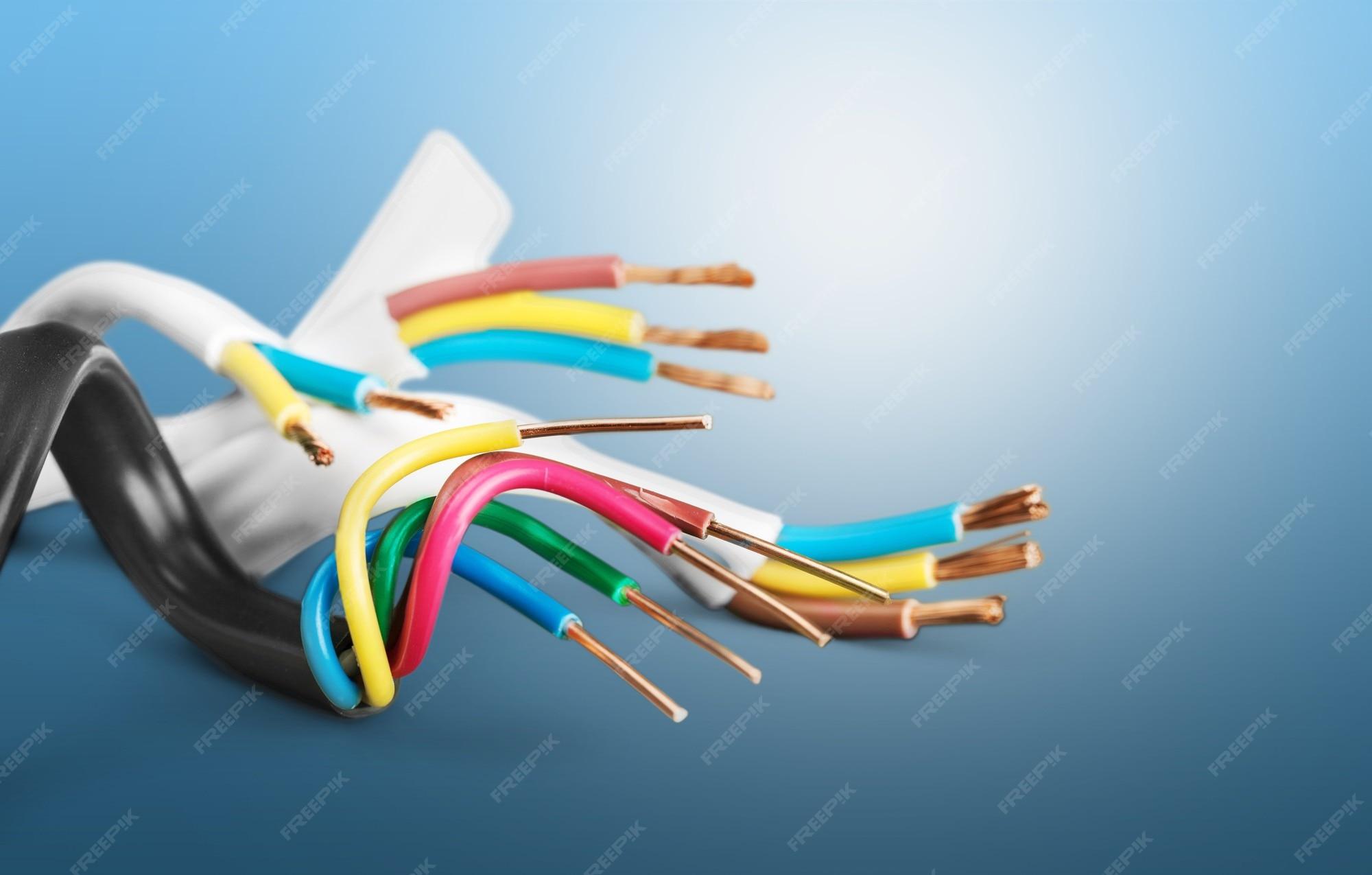
Resistance and heat
Every conductor has electrical resistance. As current flows, some energy is converted to heat. For a given load, higher resistance can contribute to greater voltage drop and heat generation. This is why conductor material, cross-sectional area and cable length matter in electrical design.
What buyers should check
Confirm the conductor cross-section and core configuration against the BOQ.
Check conductor, insulation, sheath, voltage rating and any armour requirement.
Compare products using technical data and project requirements rather than price alone.
Choose the right cable for the application
For project planning, review our house wiring cables, LV power cables, 4 core cable sizes and pricing, control cables and solar cables. Buyers comparing common wiring sizes can also use our 3/29 cable guide and 7/29 cable guide.
Libra Cables operates as an independent stockist and supplier. Buyers can submit specifications and quantities to check current availability across relevant cable options.
Need help matching a cable specification?
Send the cable type, size, quantity and delivery city for a quotation.